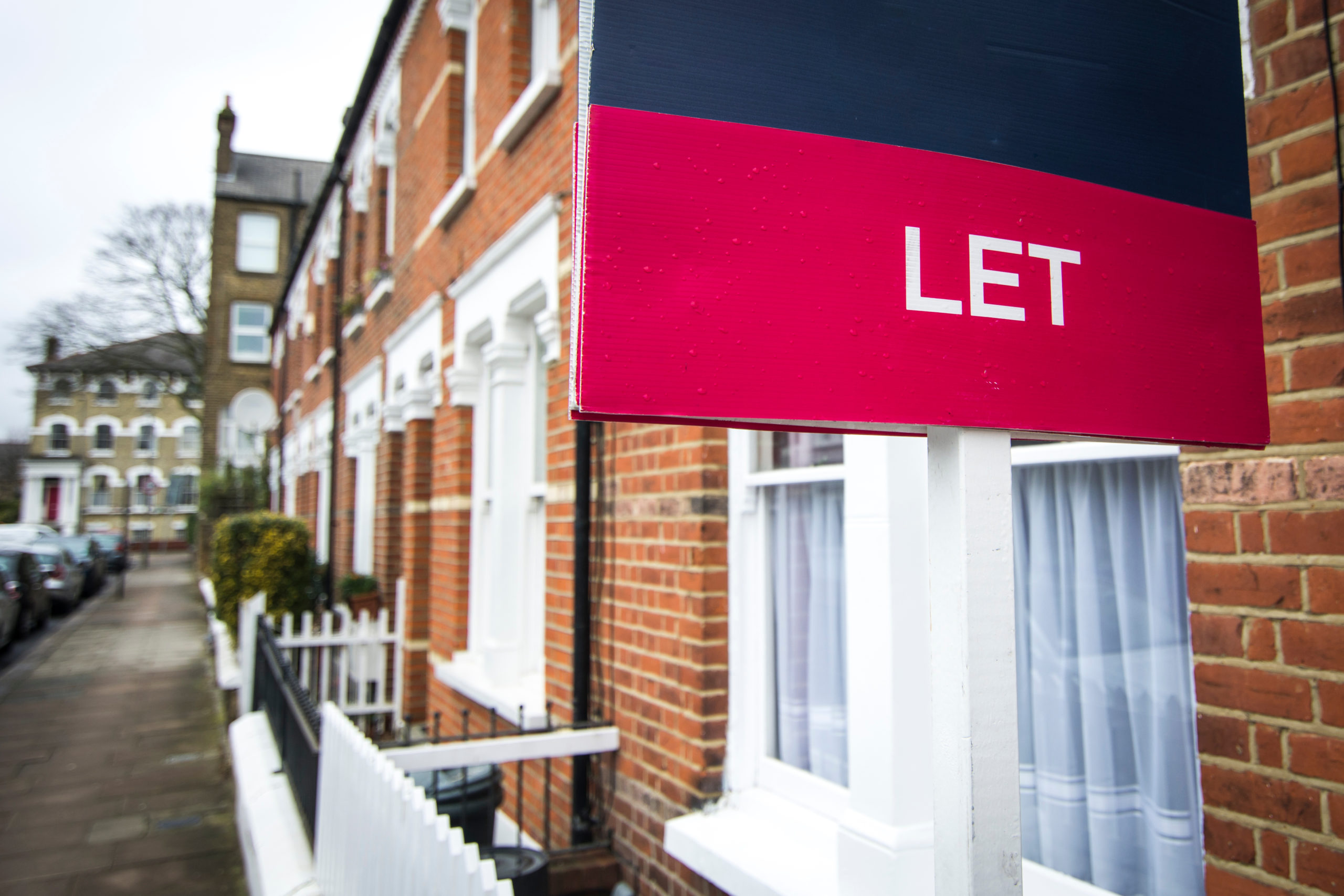

A serious fire can be one of the most devastating events a landlord or tenant experiences. Beyond the immediate safety concerns, questions quickly arise about rent payments, insurance claims, temporary accommodation, liability, and whether the tenancy can continue.
While every situation is different, understanding the legal and insurance position can help both landlords and tenants understand their position in the aftermath.
Immediate steps after a fire
Once everyone is safe and the emergency services have attended the property, landlords should:
- Contact their insurer immediately.
- Arrange for the property to be inspected and secured.
- Maintain regular communication with the tenant, including advising them to contact their contents insurer.
- Keep records of damage, correspondence, and expenses.
- Avoid making assumptions about rent, liability, or alternative accommodation until the facts have been established.
Does the tenant still have to pay rent?
Many landlords assume tenants can automatically stop paying rent when a property becomes uninhabitable. However, this depends on several factors, including:
- The tenancy agreement and any rent suspension clauses
- The extent of the damage
- Whether the property remains habitable
- The circumstances that caused the fire
Government guidance states that tenants may be entitled to a rent reduction, known as a rent abatement, when significant parts of the property are unusable. Whether this applies will depend on the individual circumstances and the terms of the tenancy.
Your tenancy agreement may contain a rent suspension clause stating that rent is not payable or is reduced if the property becomes uninhabitable following an insured event, such as a fire. Landlords should review their tenancy agreements carefully before confirming the position to tenants.
For this reason, loss of rent cover can be one of the most valuable sections of a landlord insurance policy. Different to legal & rent guarantee insurance, loss of rent cover ensures you continue to receive rental payments while the property is uninhabitable due to an insured event.
Is the landlord required to rebuild the property?
Although landlords have extensive repairing obligations, government guidance confirms that if a property is seriously damaged by a fire, flood, or similar event, the landlord is not legally required to rebuild or renovate it.
The Homes (Fitness for Human Habitation) Act 2018 requires landlords to provide accommodation that is fit for human habitation but does not require a landlord to reconstruct a property destroyed by a catastrophic event.
Decisions about rebuilding are usually influenced by:
- The extent of the damage
- Insurance cover
- Mortgage lender requirements
- Reinstatement costs and whether rebuilding is financially viable
Understanding the insurance position
Following a significant fire, the landlord’s insurance policy often becomes the most important financial protection available.
Building insurance
Building insurance covers the cost of repairing or rebuilding the physical structure of the property following an insured event such as a fire.
A key consideration is ensuring the property’s rebuild value is accurate. If a property is underinsured, insurers may reduce the claim settlement proportionately, leaving the landlord responsible for some of the rebuilding costs.
Loss of rent cover
Loss of rent cover is designed to replace rental income when a property cannot be occupied because of insured damage, such as a fire.
This can help landlords continue meeting mortgage payments and other financial commitments while repairs or rebuilding work takes place.
Legal & rent guarantee insurance
Legal & rent guarantee insurance helps protect landlords if a tenant falls into arrears or stops paying rent and assists with the cost of repossessing the property. It does not cover damage caused by fire, flooding, or other insured property losses.
Alternative accommodation cover
Many landlord insurance policies include alternative accommodation cover.
This can help pay for temporary accommodation for tenants when an insured event makes the property uninhabitable. The level of cover varies between insurers and policies, so landlords should always check policy wording carefully. If the tenancy agreement makes the landlord responsible for providing alternative accommodation, this is a valuable cover to help with the cost.
Does the landlord have to provide alternative accommodation?
In most cases, private landlords are not automatically required to find alternative accommodation for tenants after a fire. Shelter’s guidance states that private landlords do not usually have to provide alternative housing when tenants are forced to leave due to fire damage.
However, there are important exceptions, including:
- The tenancy agreement contains a contractual obligation
- The landlord’s insurance policy provides alternative accommodation cover
- The landlord has voluntarily agreed to provide accommodation
- The damage resulted from the landlord’s negligence
Before agreeing to pay for temporary housing, landlords should speak with their insurer to establish what costs may be recoverable under the policy.
What if the tenant caused the fire?
The position becomes more complex when there is evidence that the fire may have been caused by the tenant, a member of their household, or a visitor.
Liability is not automatic, and insurers will investigate the circumstances before determining responsibility. Relevant questions may include:
Where negligence is established, landlords or insurers may seek to recover losses from the responsible party.
What if the fire started elsewhere?
Not every property fire originates within the rental property.
Wildfires, neighbouring properties, adjoining commercial premises, and outdoor fires can all spread and cause extensive damage. If another party may have been responsible, there may ultimately be a claim against them or their insurer. However, liability must generally be proven before compensation can be recovered.
In the meantime, landlords will typically need to deal with their own insurer while investigations continue.
What about the tenant’s belongings?
One area that is often overlooked is personal possessions.
A landlord’s building insurance will not cover a tenant’s furniture, clothing, electronics, or other personal belongings. Tenants who suffer losses following a fire will normally need to claim through their own contents insurance policy.
Can tenants get help from their local council?
If a fire leaves a tenant without a home, the local authority may have a duty to assist.
Shelter advises that people made homeless because of a fire are generally considered to be in priority need for homelessness assistance, meaning the council may have a duty to provide emergency accommodation while longer-term arrangements are assessed.
Protecting yourself before disaster strikes
The best time to review your insurance cover is before you ever need to make a claim.
Landlords should ensure they have:
- An accurate rebuild valuation
- Adequate buildings insurance
- Suitable loss of rent cover
- Appropriate alternative accommodation cover if the tenancy makes them responsible for providing this
- Up-to-date fire safety measures
- Clearly drafted tenancy agreement that includes rent suspension and alternative accommodation following insured events
Tenants should consider contents insurance to protect their belongings and understand what their tenancy agreement says about rent and temporary accommodation in the event of a major loss.
This article is intended as a guide only. Please note that legislation does change, it is always best to check the most up to date guidance on gov.uk. Most landlord insurance policies arranged by Alan Boswell Group also have access to a legal advice helpline where policyholders can seek further advice.