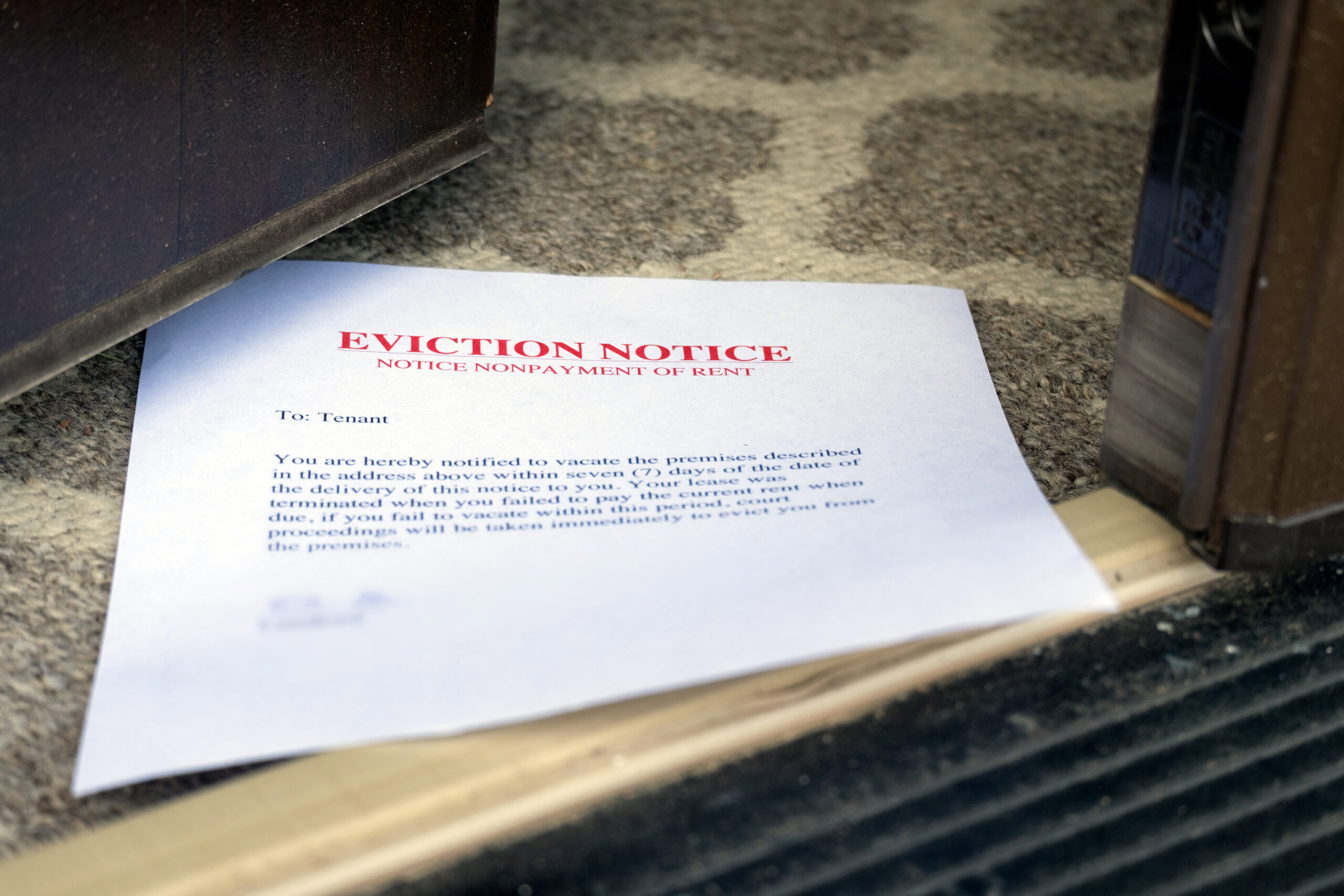

The abolition of Section 21 has fundamentally changed how landlords regain possession of their properties in England. As a landlord, it’s now more important than ever to understand how Section 8 works, the grounds available to you, and the steps required to successfully recover possession should a tenancy need to end.
What has changed?
The Renters’ Rights Act has removed Section 21, previously known as the “no-fault” eviction route. This means landlords can no longer end a tenancy without providing a legal reason. Instead, all possession claims must now be made using Section 8 of the Housing Act 1988 and rely on one or more recognised grounds for possession.
While Section 8 has existed for many years, the legislation has been updated significantly. Some grounds have changed, notice periods have been extended, and evidential requirements have increased. As a result, landlords should expect the possession process to be more structured and, in some cases, more time-consuming than in the past.
What is a Section 8 notice?
A Section 8 notice is the formal legal document landlords must use when seeking possession of a privately rented property in England. The notice informs the tenant:
- That possession of the property is being sought.
- Which legal ground or grounds are being relied upon.
- Why those grounds apply.
- The amount of notice being provided before court action can begin.
Serving a notice does not automatically end a tenancy. If the tenant remains in the property after the notice period expires, landlords must apply to the court for a possession order.
Mandatory and discretionary grounds
Section 8 grounds fall into two categories:
Mandatory grounds
Where a landlord successfully proves a mandatory ground, the court is required to award possession.
Discretionary grounds
With discretionary grounds, the court must be satisfied not only that the ground applies but also that it is reasonable to grant possession. Outcomes can therefore be less predictable and often depend heavily on the quality of the evidence presented. Landlord legal expenses insurance can be invaluable in circumstances where a possession claim goes to court for covering legal costs.
Common grounds for possession
Landlord circumstances
Some grounds allow landlords to recover possession even when the tenant has done nothing wrong. Examples include:
- The landlord or an immediate family member intends to move into the property.
- The property is being sold.
- A mortgage lender requires possession.
- Significant redevelopment or demolition is planned.
- Accommodation linked to employment is no longer required.
- The purpose for which the property was provided has come to an end.
It is important to note that certain landlord grounds cannot be used during the first 12 months of a tenancy. In addition, some now require four months’ notice before a court application can be made.
Tenant breaches
Many possession claims arise because the tenant has breached the tenancy agreement or failed to meet their obligations. Common examples include:
Rent arrears
The primary mandatory rent arrears ground now requires tenants to owe at least three months’ rent at both the time the notice is served and the date of the court hearing. Landlords must provide a minimum of four weeks’ notice before proceeding.
Because arrears can reduce before a hearing takes place, landlords should maintain accurate rent records throughout the process. If the arrears have reduced at the time of the court hearing, the mandatory ground can no longer apply, but you may be able to use a discretionary ground. Legal & rent guarantee insurance is a valuable safety net should your tenant stop paying, to ensure landlords continue to receive a rental income while undergoing possession proceedings.
Antisocial behaviour
Landlords may seek possession where tenants, household members, or visitors engage in behaviour that negatively affects neighbours or the wider community. This can include:
- Persistent excessive noise
- Harassment or intimidation
- Criminal activity conducted from the property
- Other conduct capable of causing nuisance or annoyance
Supporting evidence such as complaint logs, police reports, council correspondence, and witness statements can be crucial in these cases.
Property damage
Landlords may also rely on grounds relating to damage caused to the property, communal areas, or supplied furnishings through either deliberate actions or neglect. Examples may include:
- Damaged walls or flooring
- Broken fixtures and fittings
- Harm to shared spaces or gardens
- Significant deterioration of furnished items
Inspection reports, photographs, and repair invoices can all help support a claim.
Serving a Section 8 notice correctly
Even minor administrative errors can undermine a possession claim. Landlords should therefore take care when completing and serving the notice.
Before issuing a Section 8 notice, ensure:
- All tenant names are correct
- The property address is correct
- The correct grounds are selected
- Supporting reasons are clearly explained
- The appropriate notice period is provided
- The notice is signed and served in accordance with the tenancy agreement
Landlords should also retain evidence that the notice was served correctly, such as proof of postage, delivery records, or email confirmations where electronic service is permitted.
Deposit protection requirements
In most cases, landlords must have protected the tenant’s deposit in an approved scheme and provided the tenant with all required prescribed information. Failure to meet these obligations can prevent possession being obtained on many Section 8 grounds.
Landlords should also ensure they can demonstrate compliance with other key legal requirements, including the provision of gas safety certificates, EPCs and electrical safety documentation where applicable.
Understanding the court process
If a tenant does not leave after receiving a Section 8 notice, landlords must follow the court process.
Stage one: notice period expires
Court action can only begin once the relevant notice period has ended. Applying too early may result in the claim being rejected.
Stage two: court application
Landlords submit their possession claim, together with supporting documents such as:
- The tenancy agreement
- Evidence supporting the ground for possession
- Rent statements where arrears are involved
- Proof the notice was served
- Deposit protection documentation
Stage three: hearing
A judge will consider the evidence from both parties and decide whether to grant possession, adjourn proceedings, or dismiss the claim. In some circumstances, possession may be granted subject to conditions being met by the tenant.
Stage four: enforcement
If possession is awarded but the tenant still refuses to leave, landlords must obtain a warrant of possession so enforcement officers or bailiffs can carry out the eviction lawfully.
How long does a Section 8 eviction take?
Timescales vary considerably depending on the grounds used, court availability, and whether the tenant challenges the claim. While some cases conclude relatively quickly, contested possession proceedings can take several months from the date notice is served through to final possession.
Potential costs for landlords
The overall cost of recovering possession depends on the complexity of the case and whether legal representation is required. Common expenses can include:
- Court application fees
- Bailiff or enforcement costs
- Solicitor’s fees
- Lost rental income during proceedings
- Property repairs and cleaning costs
Where claims are defended, costs can rise significantly, making preparation and strong evidence particularly important.
Can tenants challenge a Section 8 notice?
Yes, tenants may dispute possession claims for a variety of reasons, including:
- Incorrect paperwork
- Insufficient notice periods
- Errors in names or addresses
- Lack of evidence
- Deposit protection failures
- Reduced arrears below the required threshold
- Arguments that possession would be unreasonable
For landlords, thorough record-keeping is one of the most effective ways to minimise the risk of delays and disputes. Maintaining inspection records, correspondence, payment histories, and supporting evidence can significantly strengthen a case.
Preparing for possession issues before they arise
With Section 21 no longer available, landlords should take a proactive approach to tenancy management. This includes:
- Staying up to date with possession grounds and notice requirements
- Keeping comprehensive tenancy records
- Conducting regular inspections where appropriate
- Ensuring full compliance with deposit and safety regulations
- Seeking professional advice when necessary
Key takeaway for landlords
Section 8 is now the sole route to repossessing a privately rented property in England. While the process can be more complex than under the previous system, landlords who understand the available grounds, follow procedures carefully and maintain evidence will be in a stronger position should possession become necessary. To protect against rent arrears and the costs of repossession, landlords can consider legal & rent guarantee insurance. To find out more, speak to Alan Boswell Group on 01603 649727.
This article is intended as a guide only. Please note that legislation does change, it is always best to check the most up to date guidance on gov.uk. Most landlord insurance policies arranged by Alan Boswell Group also have access to a legal advice helpline where policyholders can seek further advice.