
With the introduction of the Renters’ Rights Act and the move away from fixed-term tenancies, retaining reliable tenants has become increasingly important for landlords. While tenants now have greater flexibility to leave by providing notice, there are still practical steps landlords can take to encourage longer stays and create stable, successful tenancies.
For many landlords, long-term tenants provide more than just consistent rental income. They can help reduce void periods, minimise administration, and contribute to the overall success of a rental investment.
Why long-term tenants matter
A tenant who remains in a property for several years can provide significant advantages for landlords, including:
- Fewer void periods and a more predictable rental income
- Reduced marketing and tenant-finding costs
- Less administration time spent on inventories, referencing, and tenancy set-ups
- Greater familiarity with the property, often resulting in issues being reported more quickly
- Stronger landlord-tenant relationships
Many landlords view tenant retention as an important part of their overall property strategy, helping to reduce both costs and day-to-day management pressures.
What does “long-term tenant” mean today?
Historically, landlords may have associated long-term tenants with multi-year fixed-term agreements.
However, under the current framework, most tenancies are periodic rather than fixed-term. As a result, a long-term tenant is generally someone who chooses to remain in a property for an extended period rather than moving on after a short stay.
The focus for landlords is therefore less about contractual commitment and more about creating an environment where tenants want to stay.
The benefits of tenant retention
Long-term tenants can provide financial and operational benefits beyond simply paying rent each month. These may include:
Reduced vacancy costs
When a property stands empty, landlords lose rental income while incurring ongoing expenses such as mortgage payments, insurance, and property maintenance. Retaining existing tenants helps minimise these interruptions.
Lower administrative burden
Finding replacement tenants involves advertising, arranging viewings, conducting referencing checks, and preparing tenancy documentation. Longer tenancies reduce the frequency of these tasks.
Improved property care
Tenants who view a property as their long-term home are often more invested in looking after it and notifying landlords promptly when maintenance issues arise. Early reporting can prevent minor problems developing into costly repairs.
Stronger working relationships
Open communication and mutual understanding tend to develop over time, creating a more positive tenancy experience for both landlords and tenants.
Are there any downsides?
While long-term tenants offer many advantages, landlords should also consider some potential challenges.
For example, rental values can increase over time, and landlords may find that existing rents fall below prevailing market rates. As rent increases are restricted to specific intervals, it is important to maintain an appropriate balance between maximising rental income and retaining dependable tenants.
Longer occupancies can also make major refurbishment projects more difficult to schedule, particularly when properties remain continuously occupied.
Do long-term tenants have additional legal rights?
A common misconception is that tenants automatically receive additional protections simply because they have lived in a property for many years. In practice, long-term tenants generally have the same legal rights and responsibilities as other tenants.
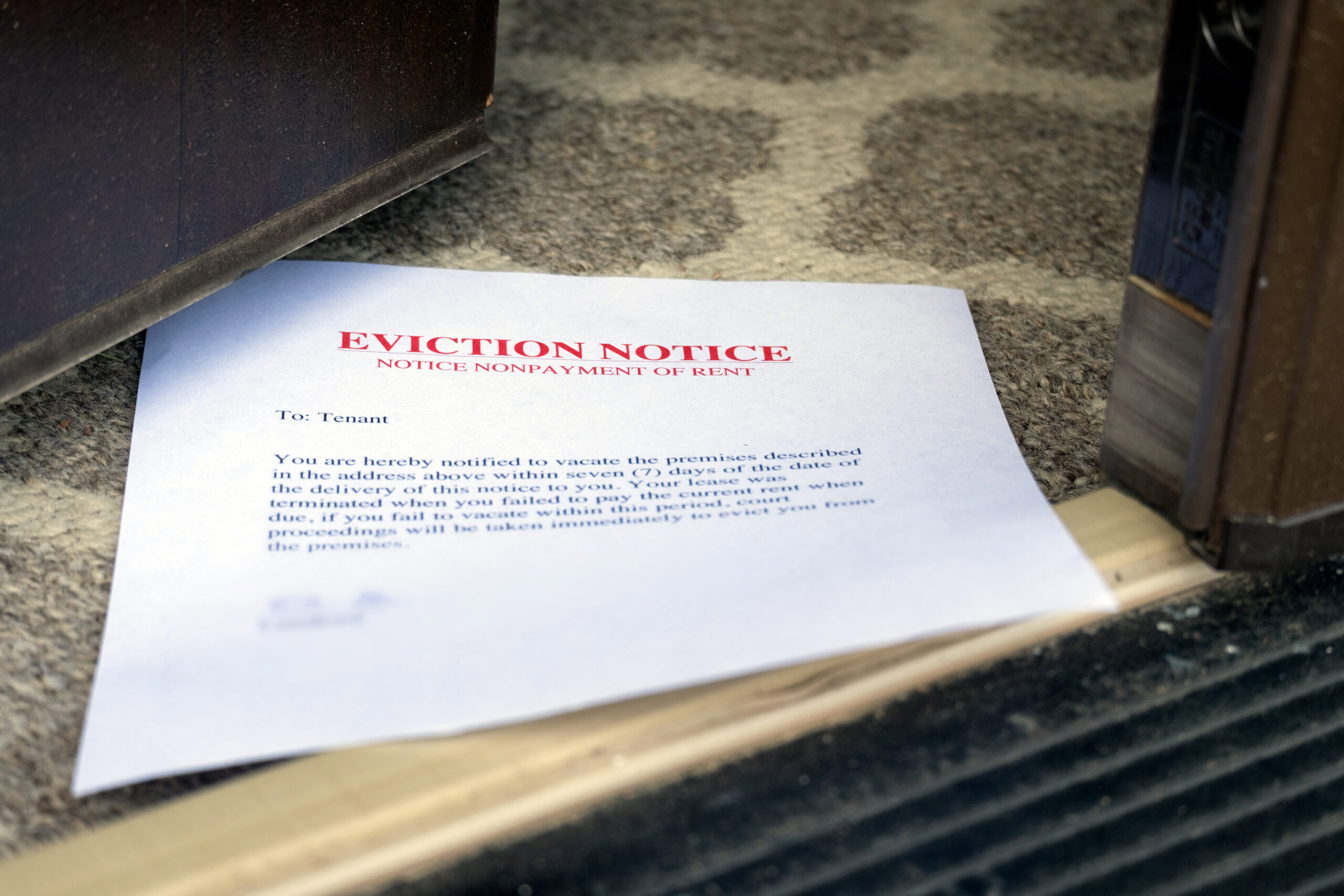
Landlords can still seek possession where a valid legal ground applies, following the appropriate legal process.
Five ways to encourage tenants to stay longer
- Offer flexibility around furnishings
Many tenants prefer the opportunity to personalise their living space. Providing an unfurnished property can allow tenants to move in with their own furniture and establish a stronger sense of home.
Where appropriate, some landlords also permit decorating, subject to agreed conditions and requirements for reinstatement at the end of the tenancy.
- Take a sensible approach to pets
Allowing pets can significantly widen your pool of potential tenants and increase tenant loyalty. Many renters struggle to find pet-friendly accommodation, which makes them more likely to remain in properties where their pets are welcome.
Landlords should still assess requests individually and consider factors such as property size, suitability, and any lease restrictions.
- Stay ahead of maintenance issues
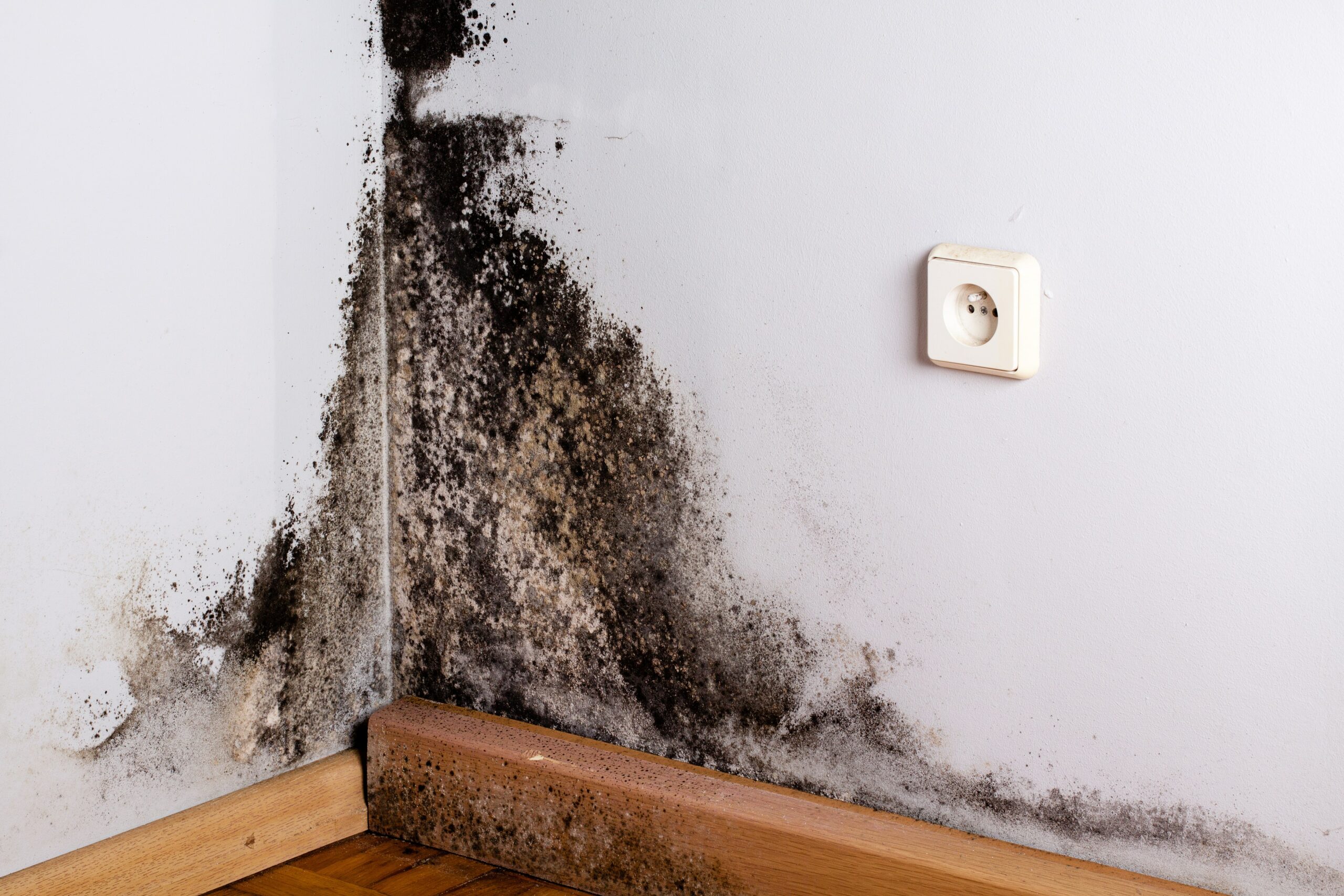
Property condition plays a major role in tenant satisfaction. Proactively maintaining the property and addressing repairs promptly can encourage tenants to renew their commitment to the tenancy year after year.
Practical improvements might include:
- Replacing ageing appliances
- Upgrading worn flooring
- Improving insulation or energy efficiency
- Resolving recurring repair issues
A well-maintained property demonstrates that the landlord values both the asset and the tenant.
- Communicate clearly and professionally
Regular, professional communication helps build trust and reduces misunderstandings. Tenants are more likely to remain where concerns are addressed promptly, and expectations are clearly set out.
Simple actions such as responding quickly to enquiries and providing notice well in advance of inspections or maintenance can contribute to a positive tenancy experience.
- Adopt a fair approach to rent reviews
While landlords need to ensure rents remain commercially viable, large or unexpected increases can lead tenants to look elsewhere.
Many landlords find that moderate rent reviews help maintain affordability while preserving good tenant relationships. Any proposed rent increase must be in line with market rents and be supported by evidence.
Protecting your rental income
Even the most reliable tenancy can be affected by changing circumstances. Job loss, illness, or unexpected financial difficulties can all impact a tenant’s ability to pay rent.
As part of a wider risk-management strategy, landlords may wish to review their insurance arrangements and consider products designed to protect rental income and provide support if possession proceedings become necessary, such as legal & rent guarantee insurance.
Landlords should also remember to notify their insurer if a property becomes vacant, as unoccupancy may affect policy terms and cover levels.
In today’s rental market, encouraging tenants to stay is often more cost-effective than repeatedly finding new occupiers. Landlords who maintain their properties, communicate effectively, review rents fairly, and provide a positive rental experience are more likely to benefit from stable, long-term tenancies. By focusing on tenant retention alongside legal compliance and good property management, landlords can help create a more secure and sustainable rental investment.
This article is intended as a guide only. Please note that legislation does change, it is always best to check the most up to date guidance on gov.uk. Most landlord insurance policies arranged by Alan Boswell Group also have access to a legal advice helpline where policyholders can seek further advice.